

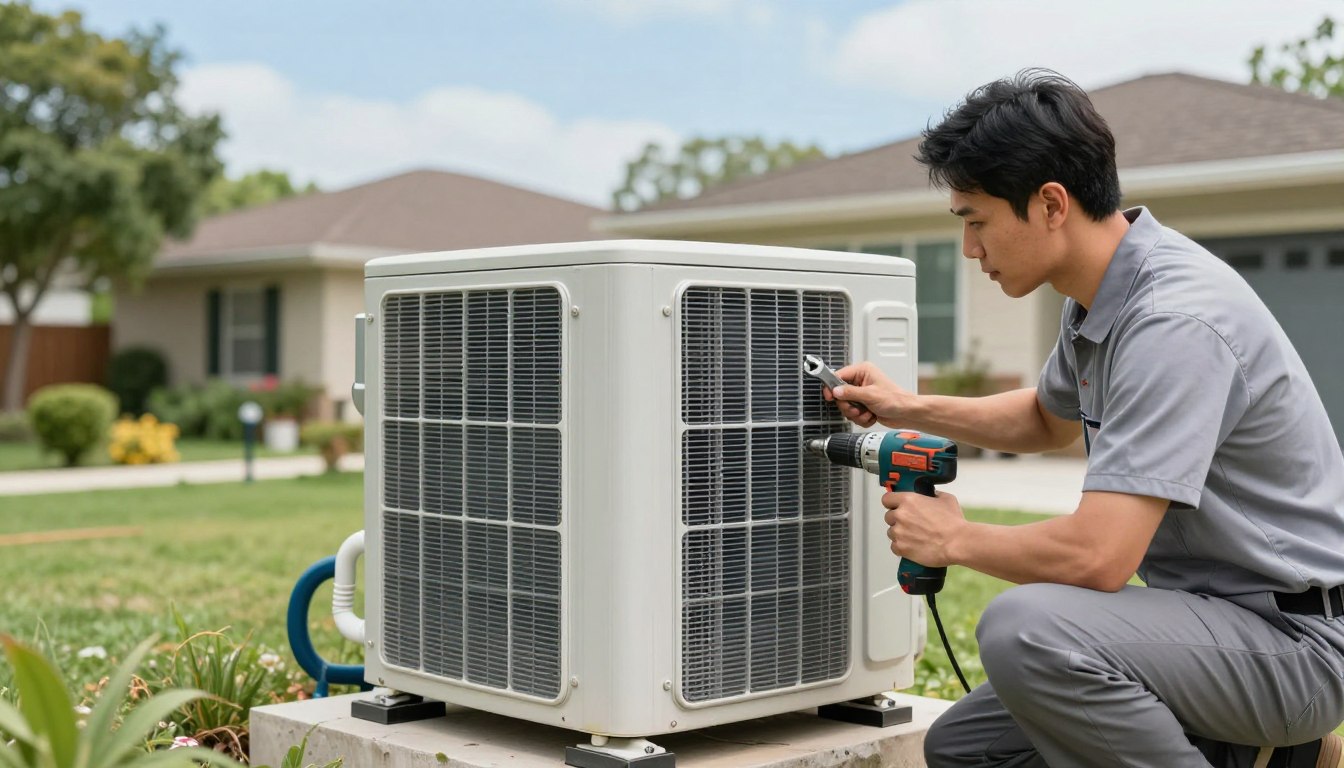
Did you know an old cooling system can cost nearly half your home’s yearly energy bill? Upgrading is a big decision that needs careful planning. Knowing the central air installation cost is key to a cozy home.
Many homeowners see the average cost of central air installation as a big expense. Learning about the costs helps you feel more confident in the HVAC market. This guide will help you set a budget and make smart choices for your home.
Key Takeaways
- Proper financial planning prevents unexpected expenses during your project.
- Energy-efficient systems provide long-term savings on monthly utility bills.
- Professional assessments ensure you choose the right unit size for your home.
- Understanding market variables helps you compare quotes from different contractors.
- Investing in quality equipment increases your home’s overall market value.
Key Factors Influencing Your Central Air Installation Cost
When planning for a new unit, consider how your home’s needs affect the central ac installation expense. Every home has its own cooling needs. These needs can make the project more complex and expensive. Knowing these factors helps you get ready for a smooth upgrade.

Size and Capacity of the HVAC Unit
The size of the unit is key in your hvac system cost. It’s measured in “tons,” which shows the cooling power needed for your home’s size. A unit that’s too small will run all the time without cooling well.
An oversized unit will turn on and off too much. This can cause humidity problems and wear it down faster. Getting the right size is essential for comfort and saving on energy bills.
Energy Efficiency Ratings and SEER2 Standards
Modern cooling systems are rated by their efficiency, known as SEER2. Higher ratings mean less electricity is used for the same cooling. Even though high-efficiency models cost more upfront, they can save you money on bills.
Choosing the right efficiency level depends on your local climate and how long you’ll stay in your home. A system that meets current standards helps you save money in the long run and follows local rules.
Ductwork Condition and Necessary Modifications
Your ductwork is key for delivering cooled air. If it’s leaky, damaged, or the wrong size, you might need to fix or upgrade it. This can increase your hvac system cost.
Technicians check your vents and returns to make sure they can handle the airflow of a modern unit. Fixing these issues early helps your system work right and keeps your investment comfortable.
Common Expenses Included in Your Air Conditioning Installation Price
When planning for a new cooling system, remember it’s more than just the equipment cost. Homeowners often overlook the essential services that keep your home comfortable and safe. These services are part of the air conditioning installation price.
Labor Costs and Professional Contractor Fees
Skilled labor is a big part of your investment. HVAC technicians use their training and tools to make sure your system works well.
They handle complex tasks like electrical wiring and refrigerant lines. Their professional fees ensure the unit is installed right. This prevents future problems and expensive fixes.
Permits and Local Building Code Requirements
Most places need special permits for big HVAC projects. These permits check if your installation meets safety and building codes.
While these costs might seem extra, they’re important. They ensure a certified inspector checks the work. This avoids legal issues and helps when you sell your home.
- Verification of electrical load requirements.
- Compliance with local energy efficiency mandates.
- Safety inspections for gas or electrical connections.
Equipment Removal and Disposal Fees
Replacing an old unit is more than just disconnecting wires. Your contractor must safely remove the old system and dispose of it properly.
Proper disposal is required by law to protect the environment. Including these services in your quote means your old equipment is handled right. This helps you budget for the average cost of central air installation without surprises.
Budgeting Tips for Your Residential Central Air Installation Cost
Smart homeowners know that careful preparation is key for a successful HVAC upgrade. By being proactive, you can manage your residential central air installation cost well. This ensures your home stays comfortable all year.
Comparing Quotes from Licensed HVAC Professionals
Don’t accept the first estimate you get. It’s essential to get at least three detailed quotes from licensed contractors. This helps you understand the true cost of your project.
When comparing these bids, don’t just look at the price. Make sure each quote clearly shows the air conditioning installation price. This includes labor, materials, and any system changes needed.
- Check if the contractor is fully licensed and insured in your state.
- Ask for references from previous clients in your area.
- See if the quote includes a warranty for parts and labor.
Timing Your Installation During Off-Peak Seasons
Timing is key to your investment. HVAC companies are busiest in summer, which can raise prices and limit your options.
Installing in spring or fall can lead to better prices. Contractors often offer competitive pricing during these times to keep their teams busy. This can help lower your central ac installation expense.
Exploring Financing Options and Manufacturer Rebates
You don’t have to pay for your system all at once. Many HVAC companies offer flexible financing plans. These allow you to pay over several months or years.
Also, check for available incentives before signing. You can find big savings through:
- Manufacturer rebates for energy-efficient units.
- Local utility company incentives for energy-saving upgrades.
- Federal tax credits for qualifying HVAC equipment.
Using these financial tools makes a high-quality system more affordable. Always ask your installer about current promotions. This ensures you get the best deal on your new equipment.
Conclusion
Understanding your residential central air installation cost is key. You now have the knowledge to choose the right equipment and service. This will help you get the most out of your investment.
Choosing high-efficiency systems from brands like Carrier or Trane can save you money on bills. By balancing the initial cost with rebates, you can make your home cooler without breaking the bank.
Starting your journey to better climate control begins with making smart choices. By using these tips, you can keep your costs down while keeping your family cool.
Next, contact local, certified technicians to talk about your home’s needs. Taking action now means a cooler, more efficient home for years to come.