

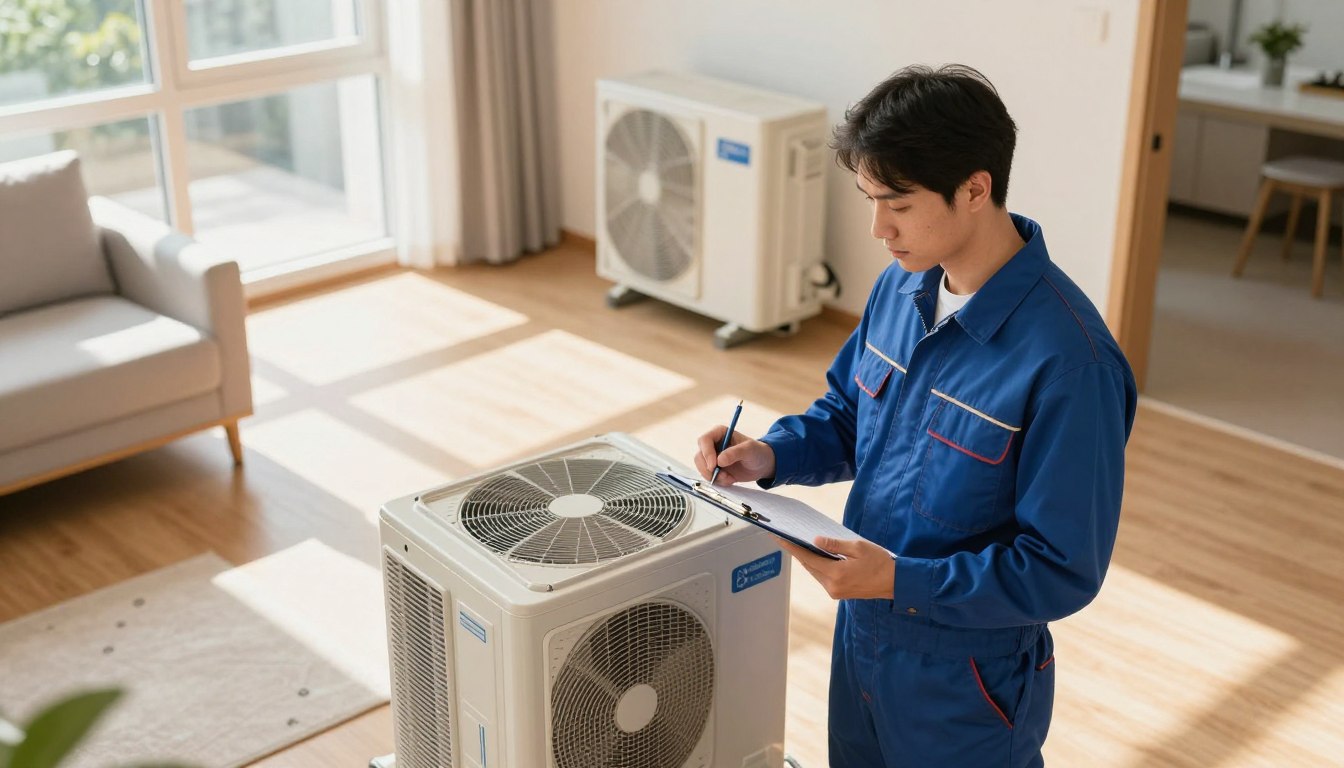
Did you know that nearly 40% of your monthly utility bill is tied directly to how you heat and cool your home? When your system begins to fail, the financial burden of a new installation can feel overwhelming.
Understanding the average HVAC replacement cost is a vital step for any homeowner. By researching these figures early, you gain the power to plan a smart, long-term investment for your property.
Navigating the residential HVAC replacement cost does not have to be a stressful experience. With the right information, you can manage your budget with confidence and ease.
This guide serves as your roadmap to modernizing your home comfort systems. We will break down the factors that influence your total HVAC replacement cost so you can make an informed decision that fits your lifestyle and your wallet.
Key Takeaways
- Climate control systems account for a significant portion of your monthly energy expenses.
- Researching pricing early helps you avoid unexpected financial strain during an emergency.
- System efficiency ratings play a major role in your long-term savings.
- Professional installation is essential for ensuring your new unit runs at peak performance.
- Proper planning allows you to balance immediate spending with future comfort needs.
Factors Influencing Your HVAC Replacement Cost
Several key variables determine the final price you will pay for your home comfort upgrade. No two homes require the exact same setup. Understanding these components helps you prepare a realistic budget before you request an official hvac replacement quote.
Size and Capacity of the Unit
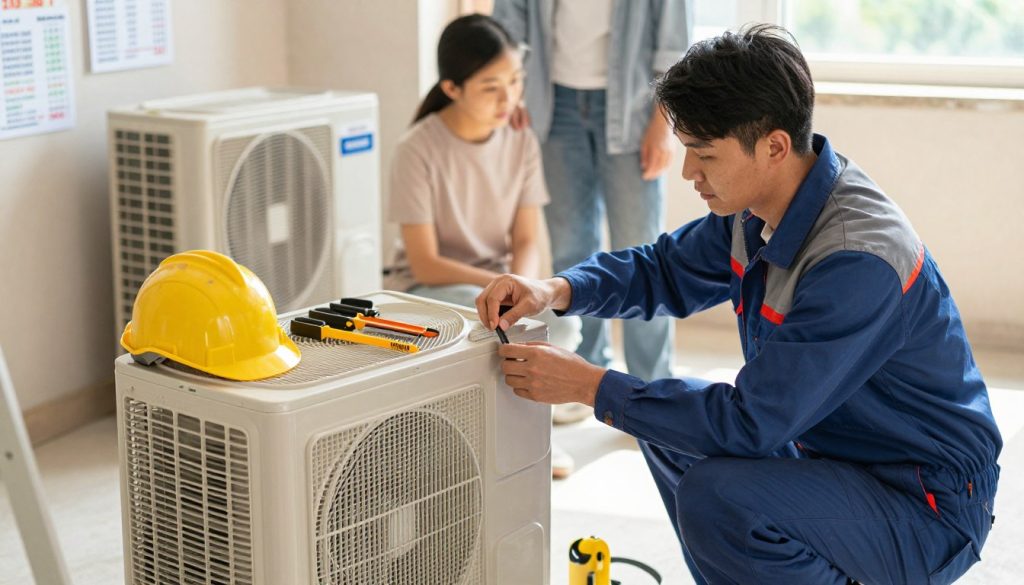
The physical size of your equipment is perhaps the most critical factor in your hvac installation cost. A unit that is too small will struggle to keep your home comfortable. On the other hand, an oversized unit will cycle on and off too frequently. Professionals use a “Manual J” load calculation to determine the precise tonnage required for your square footage.
Energy Efficiency Ratings
Modern systems come with various efficiency ratings, such as SEER2 for cooling and AFUE for heating. While high-efficiency models often carry a higher upfront price, they frequently offer significant savings on monthly utility bills. You should weigh the initial hvac cost estimate against the long-term energy savings you expect to see over the life of the system.
Ductwork Condition and Modifications
Your existing ductwork plays a major role in how well your new system performs. If your ducts are leaky, damaged, or improperly sized, they may require professional sealing or partial replacement. These necessary modifications can add to your total project expenses but are vital for ensuring your system runs at peak performance.
Geographic Location and Labor Rates
Where you live significantly impacts the final price of your project. Labor rates vary by region, and local demand can influence how quickly a contractor can complete your installation. When you gather your hvac replacement quote, keep these regional factors in mind:
- Local permit fees and inspection requirements.
- Availability of qualified technicians in your area.
- Seasonal demand spikes that may affect your hvac cost estimate.
- Regional climate needs that dictate the type of equipment required.
By considering these elements, you can better navigate the process of securing a fair hvac installation cost. Being informed allows you to make the best decision for your home and your wallet.
Breakdown of Average HVAC Replacement Cost by System Type
Choosing a new climate control system can be a big decision. It’s important to understand how different systems affect your budget. Each home has unique needs, so the hvac replacement cost varies by system type. Knowing these differences helps you choose wisely, balancing comfort and cost.
Central Air Conditioning Systems
Central air units are the most popular choice in the U.S. They have an outdoor condenser and an indoor coil. The average hvac replacement cost depends on the SEER2 rating and your home’s size.
Gas Furnace and Air Handler Units
In cold climates, your furnace is key to comfort. Upgrading to a gas furnace and air handler can save money on bills. The initial cost may seem high, but modern units are more efficient.
Heat Pump Systems
Heat pumps are becoming more popular for their efficiency in both heating and cooling. They transfer heat, making them very energy-efficient. Remember, heat pumps may qualify for tax credits, reducing your overall cost.
Ductless Mini-Split Systems
Ductless mini-splits are great for homes without ducts or for zone control. They’re efficient and let you control room temperatures. While the hvac system pricing is good, installing multiple units can increase costs.
Commercial HVAC costs are different due to the size and complexity of the equipment. Commercial units need special installation and are designed for larger spaces. Always get a professional estimate for your specific needs.
| System Type | Average Cost Range | Best For |
|---|---|---|
| Central AC | $4,500 – $9,000 | Standard residential homes |
| Gas Furnace | $3,000 – $7,500 | Cold climate heating |
| Heat Pump | $5,000 – $12,000 | Energy-efficient year-round use |
| Ductless Mini-Split | $3,500 – $15,000 | Zoned comfort and older homes |
Hidden Expenses and Additional Installation Fees
Getting a new system is more than just the unit’s price. You might have seen an hvac cost estimate first. But, other costs can pop up. Knowing these can help you avoid surprises.
Permits and Local Inspection Fees
Most places need permits for big mechanical jobs. These fees check if your work meets safety and building codes. Always verify if your contractor includes these costs in their bid.
Electrical Panel Upgrades
New, efficient systems need more power than old ones. If your panel is old, you might need a new one. This is key to your hvac installation cost and keeps your home safe.
Thermostat and Smart Home Integration
Getting a new system is a great time for a smart thermostat. They save energy and let you control your home from your phone. Even though they cost more, they can save you money in the long run.
Disposal and Removal of Old Equipment
Getting rid of your old system is hard work. Technicians must handle refrigerants safely. Whether it’s for your home or a commercial hvac replacement cost project, this service is a must.
| Expense Category | Typical Impact | Importance |
|---|---|---|
| Permits | Low to Moderate | Required by Law |
| Electrical Upgrades | High | Safety Necessity |
| Smart Thermostats | Low | Efficiency Boost |
| Equipment Disposal | Moderate | Environmental Compliance |
Conclusion
Upgrading your home needs a clear understanding of both the equipment and installation costs. You now know how different systems affect prices and that the cost of the unit is just part of the total.
Choosing energy-efficient options can save you money in the long run. Remember to include all installation costs to avoid unexpected bills. This way, you can make a choice that boosts your comfort and property value.
Brands like Carrier, Trane, and Lennox offer a range of options for different budgets. Use this info to ask for detailed quotes from local contractors. Comparing these quotes helps you plan your hvac replacement cost with confidence.
Next, get a professional to check your current setup. A skilled technician will help you understand what you need. Making these smart choices is the first step to a more efficient and reliable home.